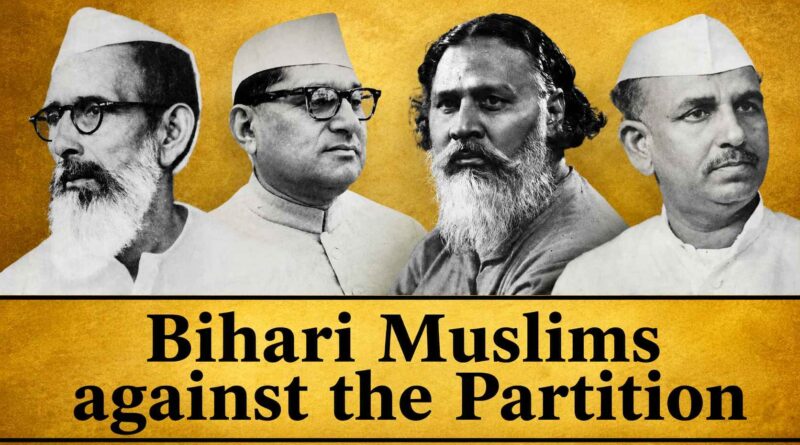
Bihari Muslims opposed the Partition & Muslim League
The Struggle of Bihari Muslims Against the Muslim League and the Partition of India The history of Bihar’s Muslims during
Read More
Exploring lesser known History
The Struggle of Bihari Muslims Against the Muslim League and the Partition of India The history of Bihar’s Muslims during
Read More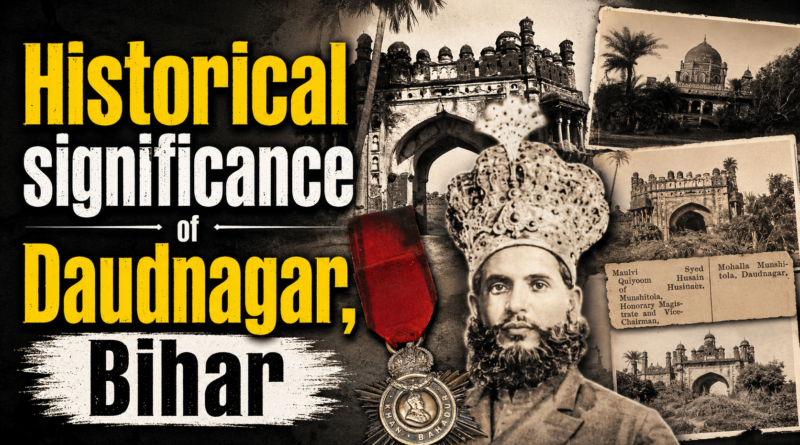
Daudnagar, a historic town in the Aurangabad district of Bihar, stands as a forgotten testimony to the rich political, economic,
Read More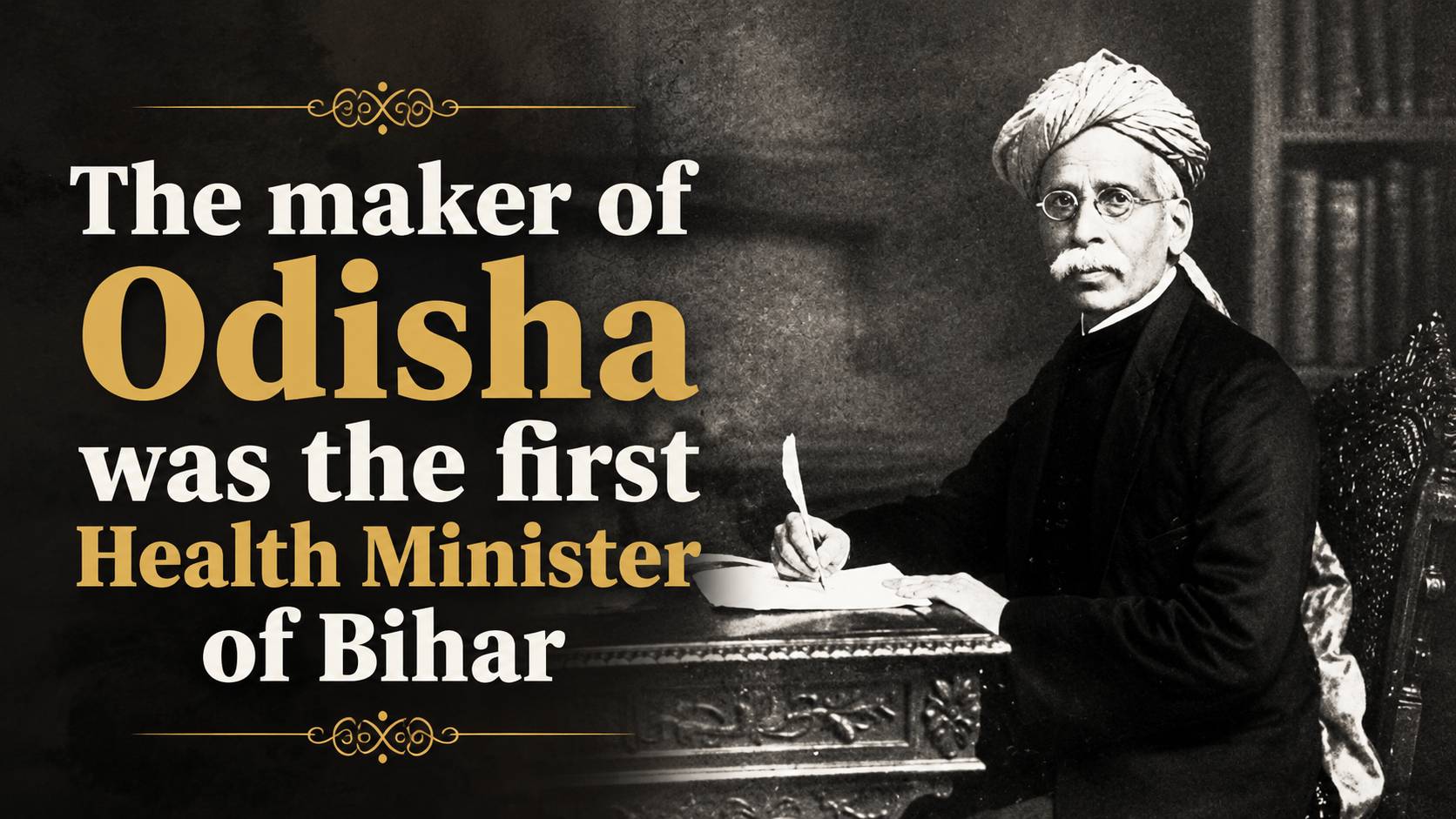
Discover the untold story of Madhusudan Das, the Maker of Modern Odisha, who stepped up as the first Health Minister of the newly created Bihar and Orissa province in 1921. While history remembers his fight for the Oriya people, his legacy in Bihar includes battling devastating plagues, establishing vital medical infrastructure, and ultimately resigning over a matter of profound personal principle.
Read More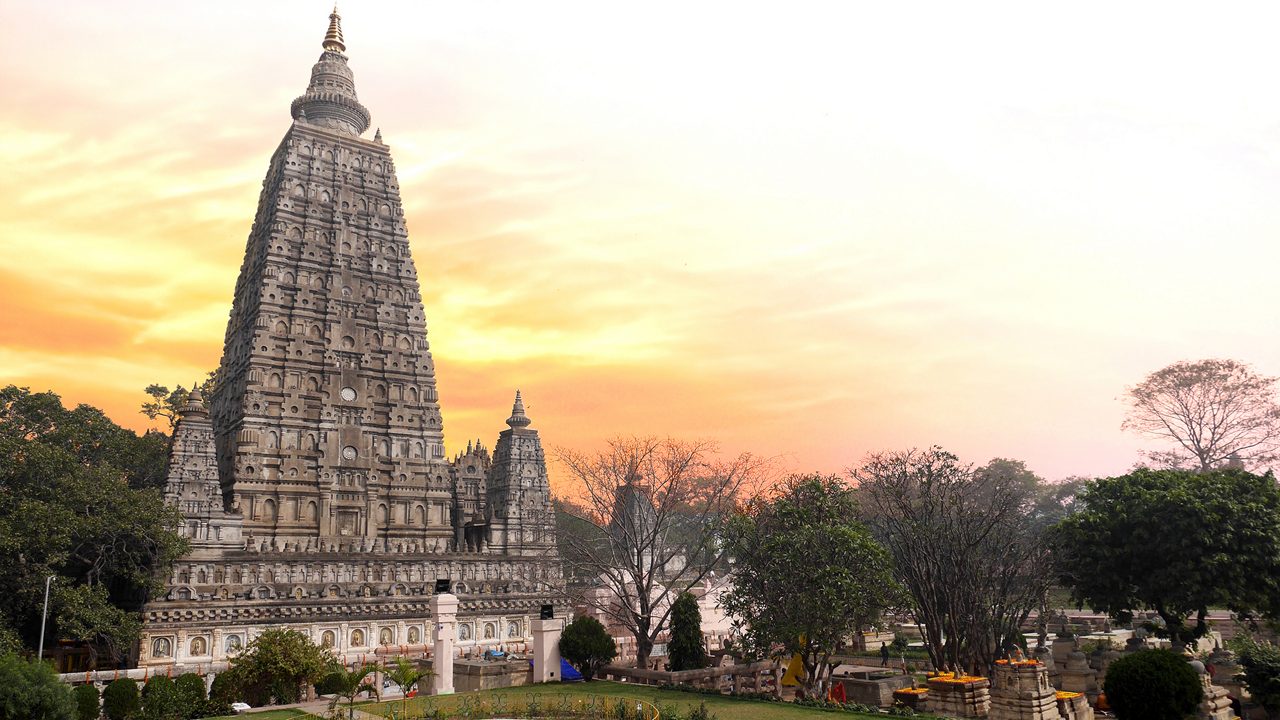
Mahanth Lal Gir is said to have been much favoured by the Emperor of Delhi, and the villages of Mastipur and Taradih, in which the Buddhist Mahabodhi temple is situated, were made over to him by a Royal firman.
Read More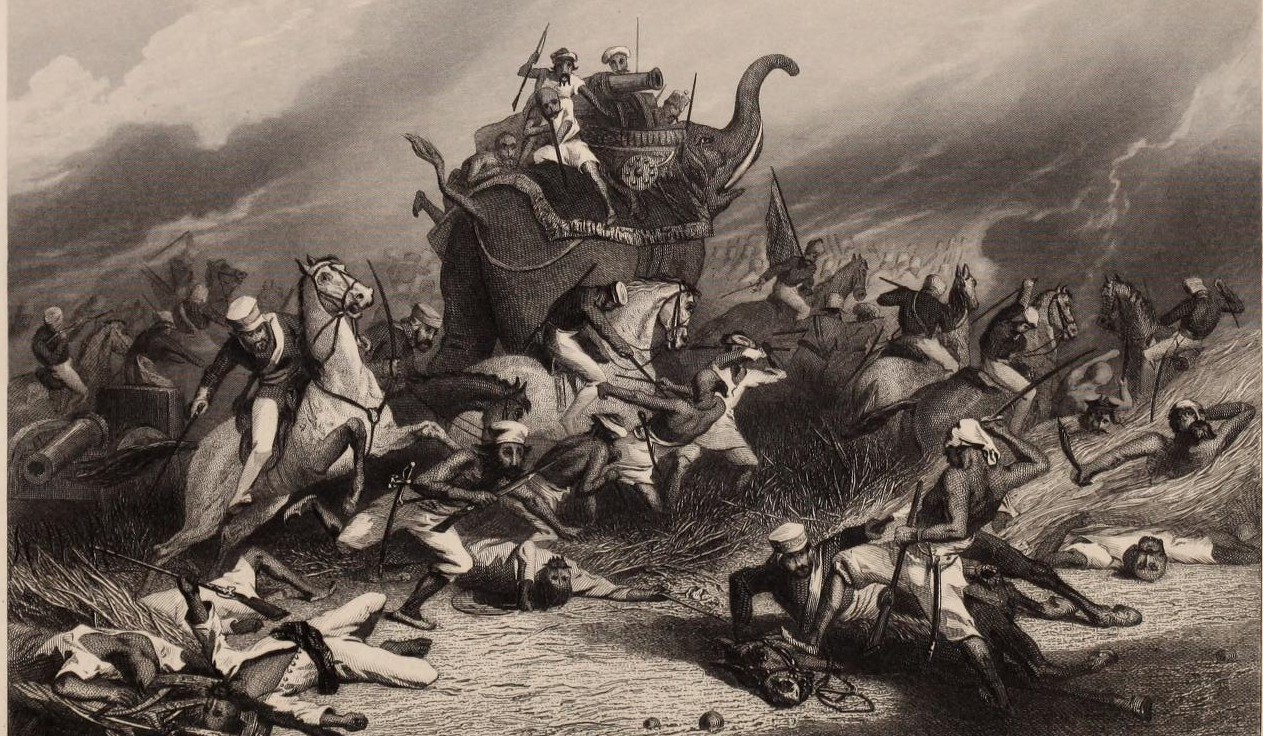
Raza Quli Khan rose up in revolt against the foreign rule with his armed loyalists. Mr. Grome, Collector of Saran, informed Ross that he was aamil (administrator) of Sasaram and supported Chait Singh’s revolt.
Read More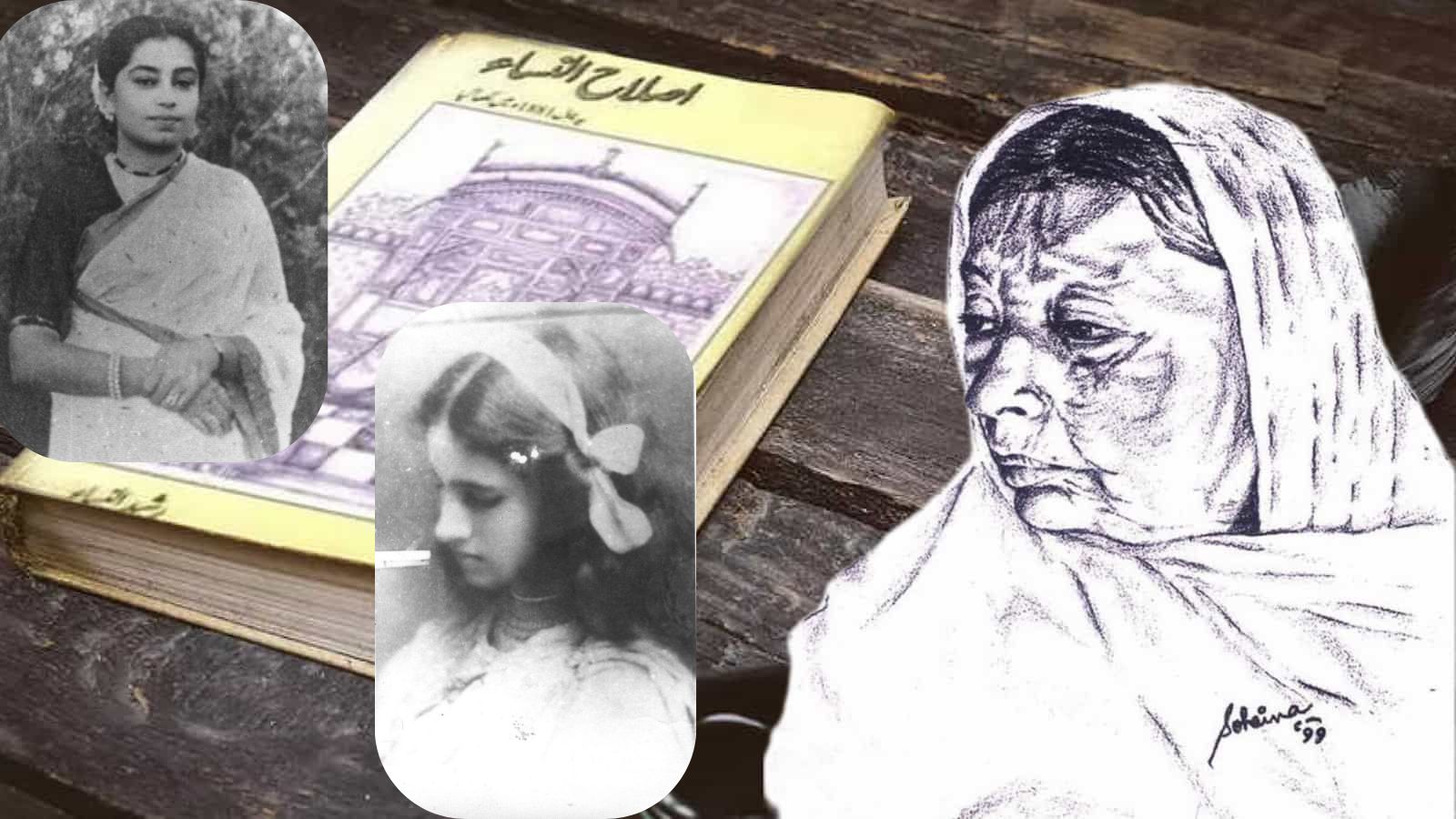
The British government fined Mahmooda for breaking the salt law but, a committed Congress worker, she denied paying any fine.
Read More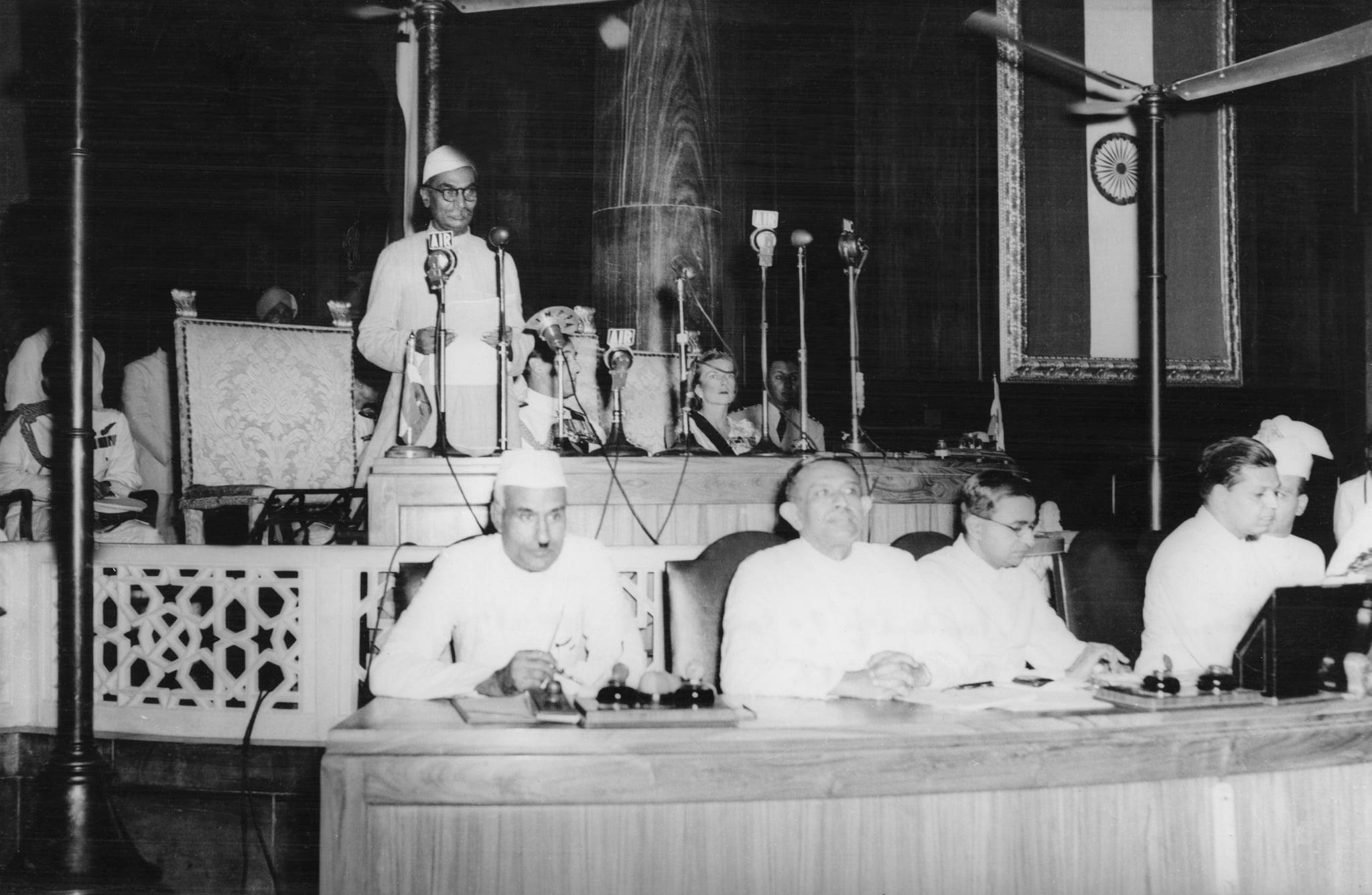
The returning officer informed the Assembly, “I have to inform honourable Members that only one nomination paper has been received for the office of the President of India. The name of that candidate is Dr. Rajendra Prasad.
Read More
Syed Imdad Ali wrote to Raja Jaykishan Das, secretary of the Aligarh Scientific Society, requesting that the proposed association at Muzaffarpur be made a branch of the Aligarh Scientific Society.
Read More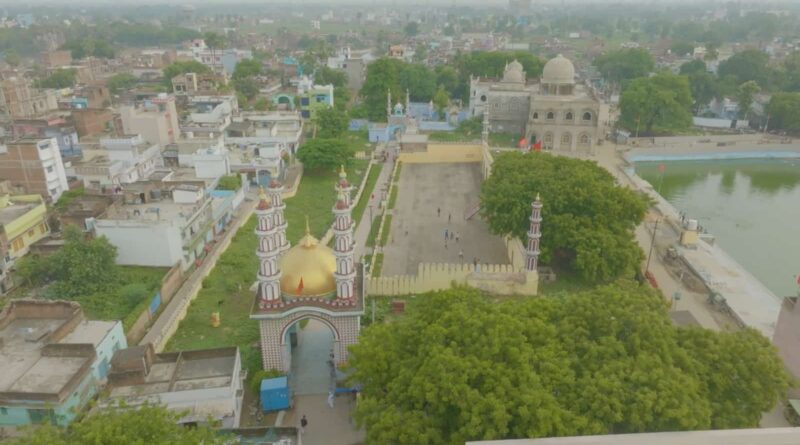
Zafaruddin Bihari: A Scholarly Luminary and Reviver of Islamic Knowledge in South Asia
Read More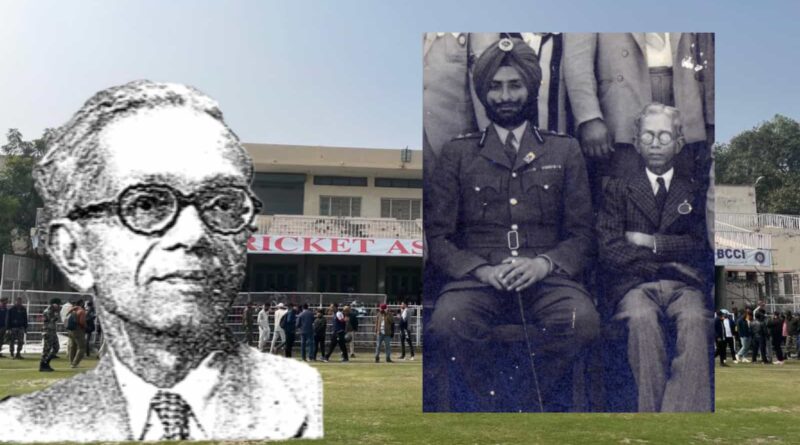
Syed Mohammad Moin ul Haq, a name that resonated with brilliance and intellect, emerged from the humble town of Asthawan, Nalanda district in 1881.
Read More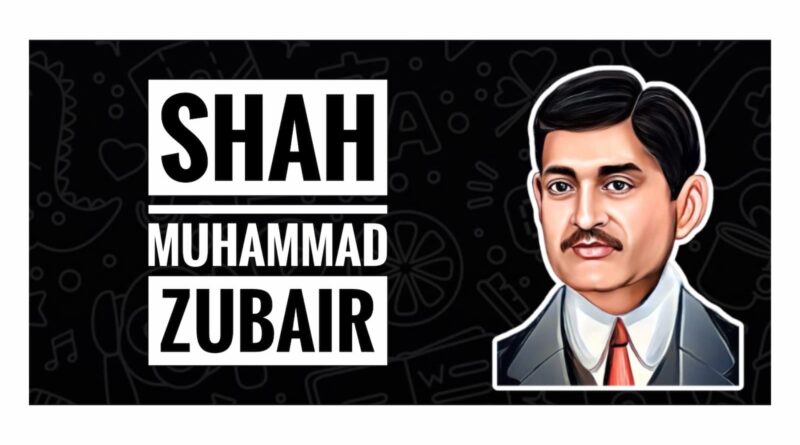
Shah Muhammad Zubair studied law in England. He was the founding President of the first farmers’ organization Kisan Sabha in 1922.
Read More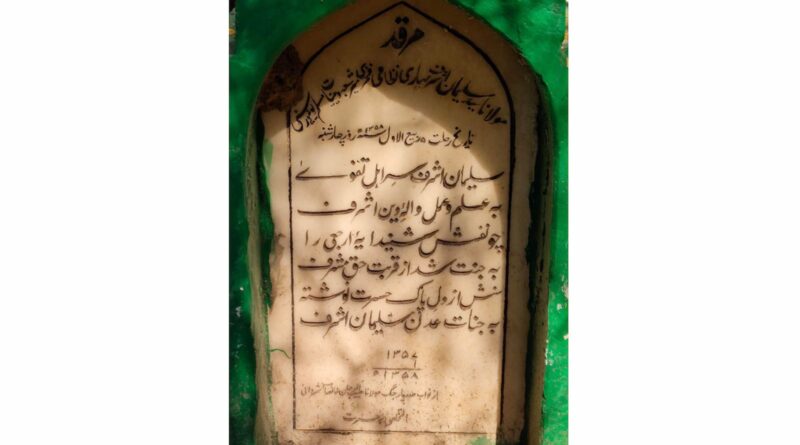
Maulana Syed Sulaiman Ashraf Bihari (1878-1939), a prominent figure in Indian history, dedicated his life to education, theology, and the pursuit of national unity.
Read More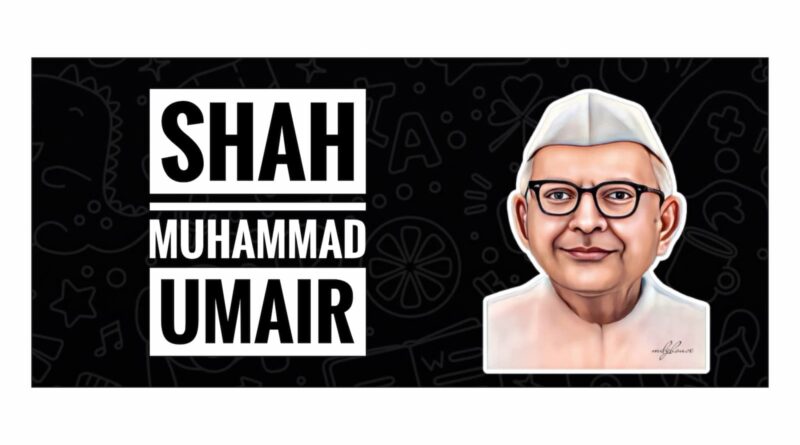
A voice against partition and a champion of syncretic India, Shah Muhammad Umair and his story of resistance & unity continue to inspire.
Read More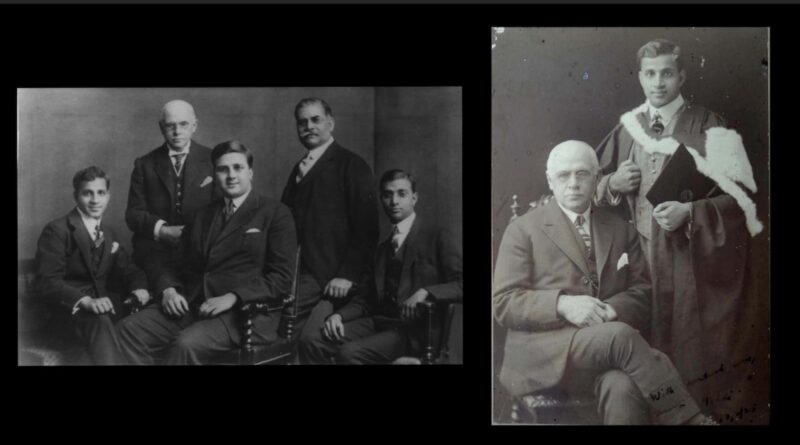
Syed Mehdi Imam was renowned for his legal expertise and is among the elite barristers of his era. In 1937 he published his collection of poems which comprised both poetry as well as philosophy.
Read More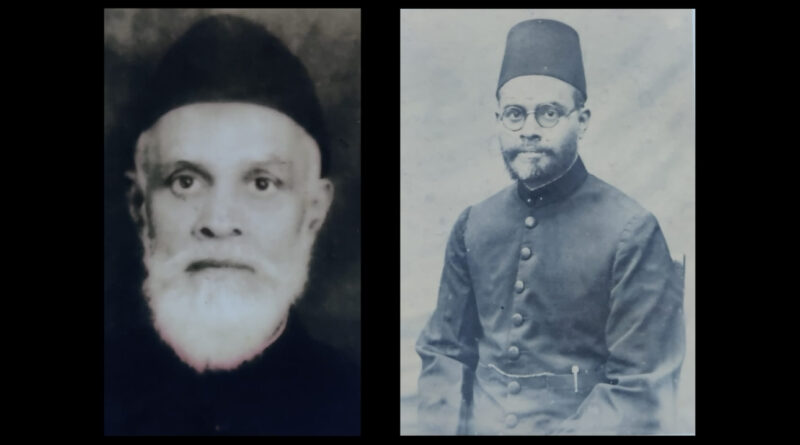
Maulvi Mohammad Yahya – One Of The Founding Members Of All India Momin Conference & Publisher Editor Al Momin
Read More
On 27th September 1978, Syed Mohammad Advocate, my grandfather and one of the famous lawyers of North Bihar passed away in Muzaffarpur leaving a deep void in the legal profession at that time. As a little over six years of age, I have a faint memory of his huge funeral procession being attended by men cutting across religion and caste and sect.
Read More
From the beginning the history of Urdu Novel writing was pegged around women and their issues. The first one – Maulvi Nazeer Ahmad’s Mirat-ul-Uroos, – published in 1869, and its sequel Binat-un-Nash included, most early novels/stories were about the women, their education and social status.
Read More
Sher Shah Suri was the founder of the Sur Empire in India. He was the regent and later sole ruler of Bihar from 1529-1540 until he defeated the Mughal Empire in 1540, founding the Sur Empire, establishing his rule in Delhi, and crowning himself as Emperor.
Read More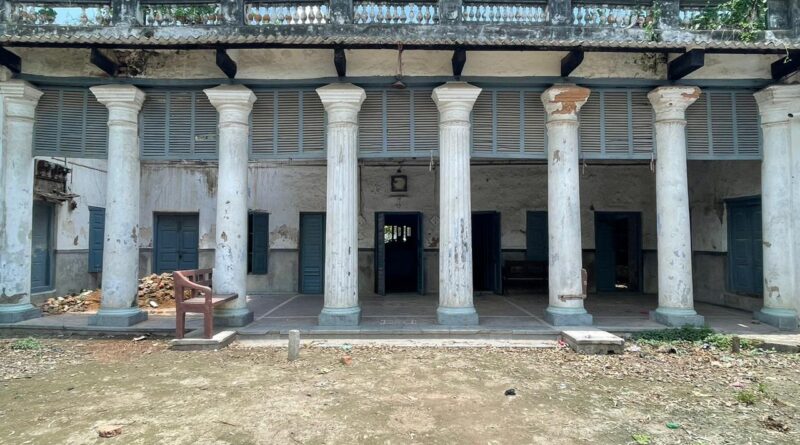
The building was made around 1872 and the renovation was done later in 1964, the year of Nehru’s death. The Darwaza is said to be made by the brothers Munshi Qamruddin and Munshi Sirajuddin. Today, it is maintained and taken care of by the children and grandchildren of Abdus Salam Sahab and Haji Akhtar Sahab.
Read More
Born on December 24, 1918, in Patna to Abdus Sami and Mahmuda Sami, he came from a lineage of freedom fighters, with his grandfather, Syed Hasan Imam, and grandmother, Muniba Imam, also actively involved in the struggle for India’s independence.
Read More