Featured PostsFreedom MovementPersonality

Did Ganesh Narayan Kolhatkar inspire Gandhi for Charkha & secularism?

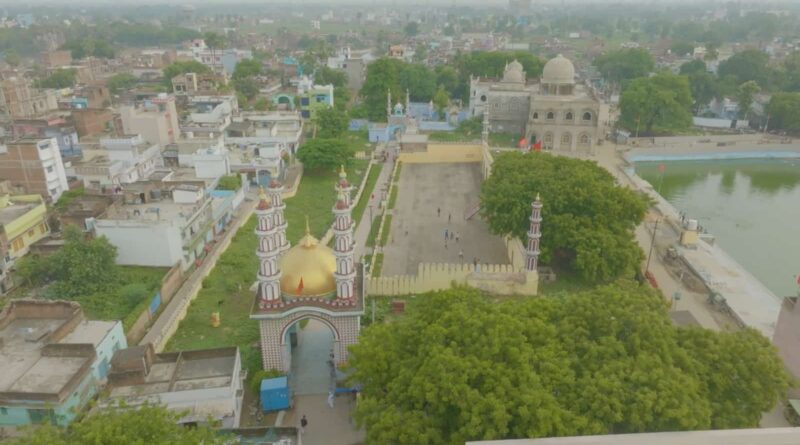
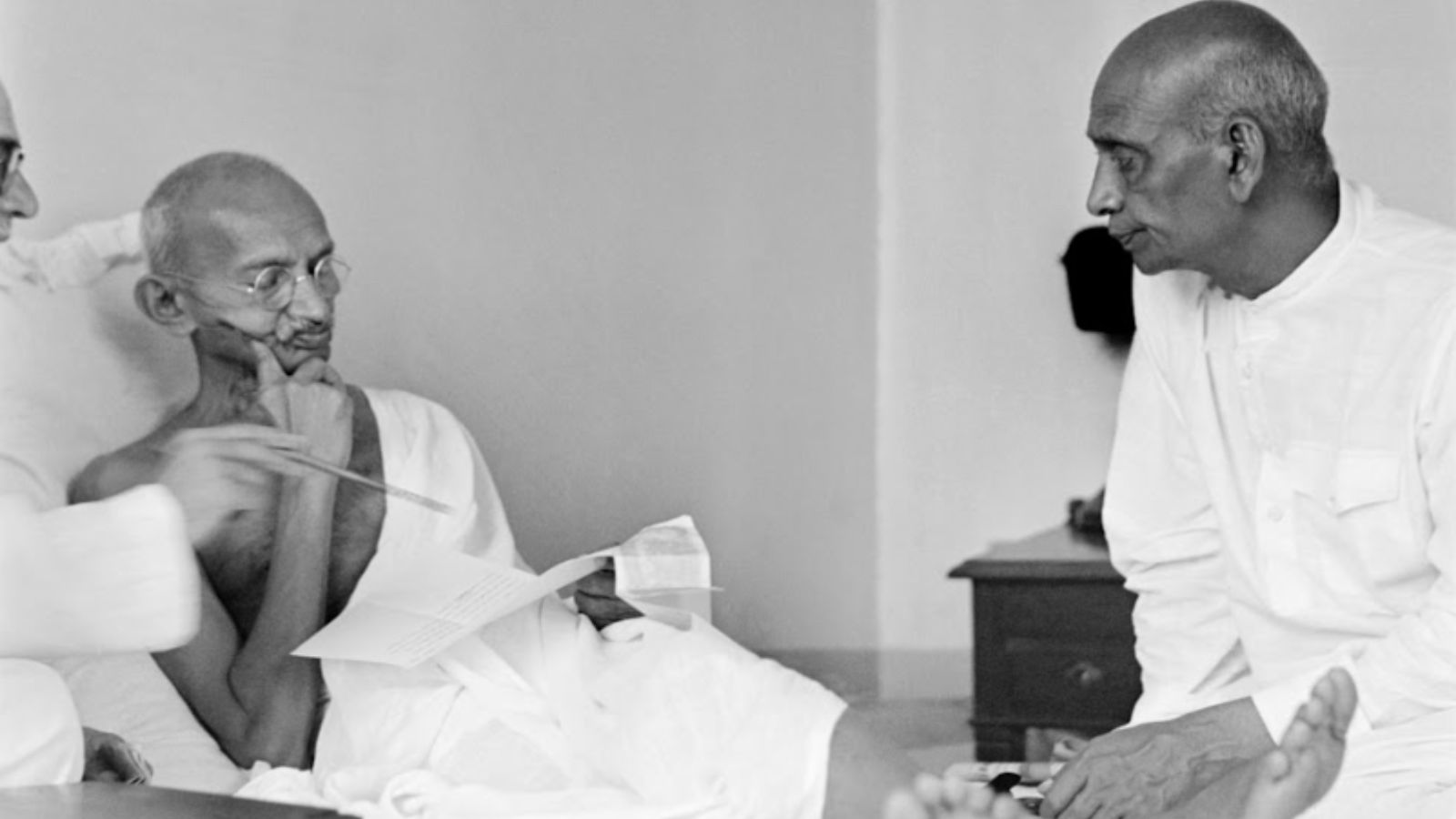
It is no secret that hand-spinned clothes and secularism became the cornerstone of  Mahatma Gandhi’s movement. Gandhi was actually a fulfilment of Ganesh Kolhatkar’s prophecy made in 1868 that “those who wish to be remembered in the future history of India, ought not to shrink back from undertaking this work (of making clothes in India and boycott British made cloth)”. 

Read More
Featured PostsPersonality

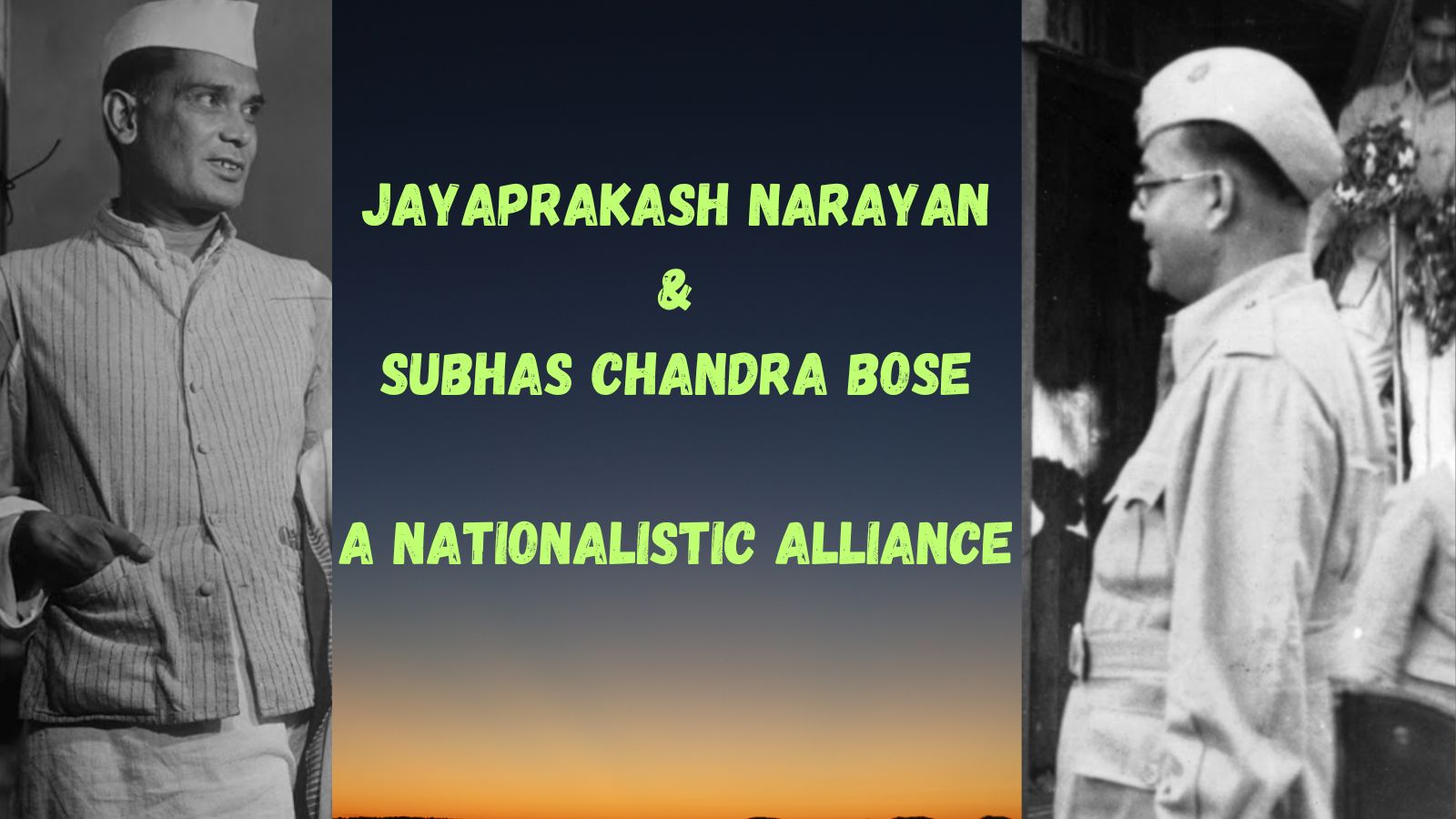
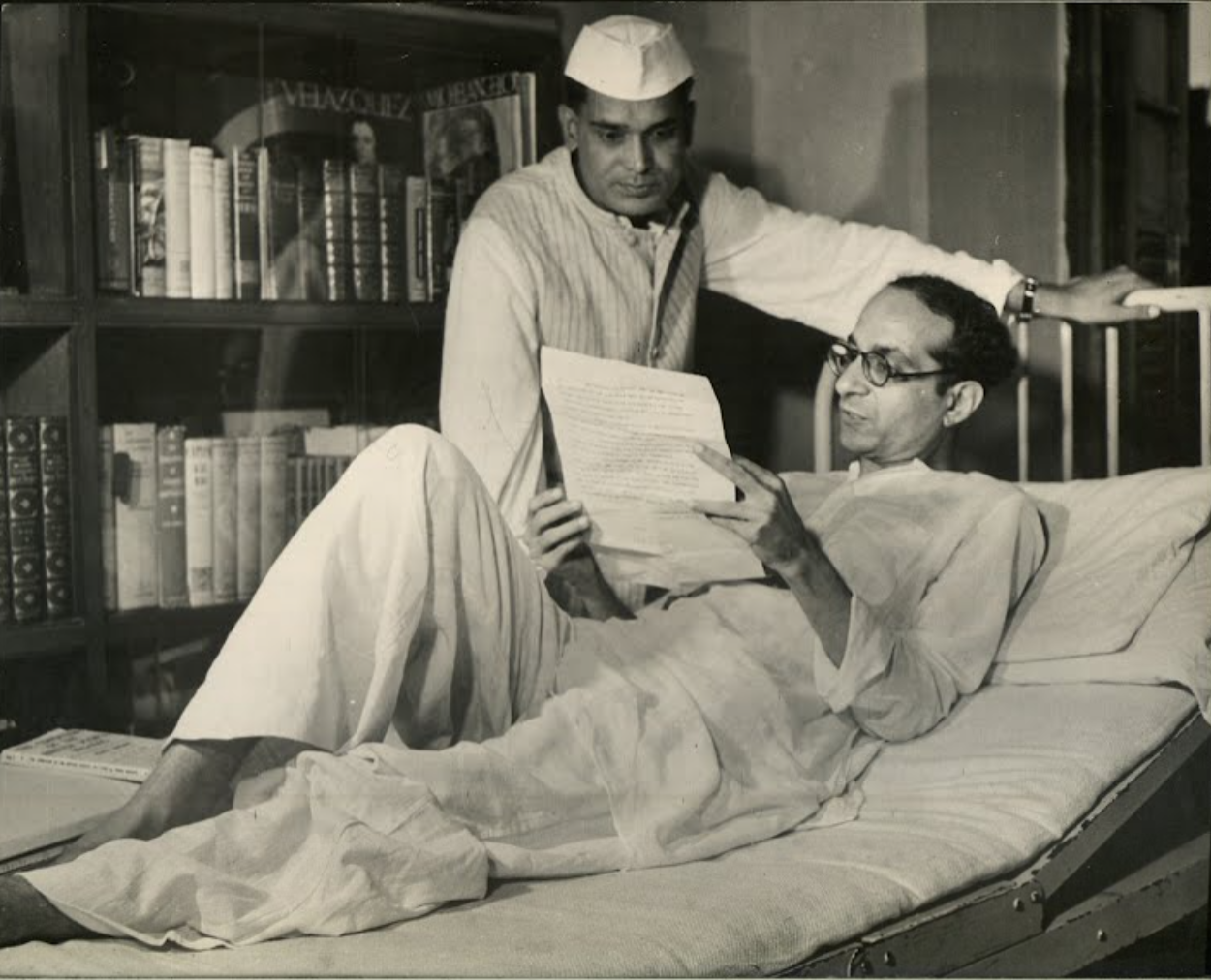
Jayaprakash Narayan in words of Yusuf Meherally

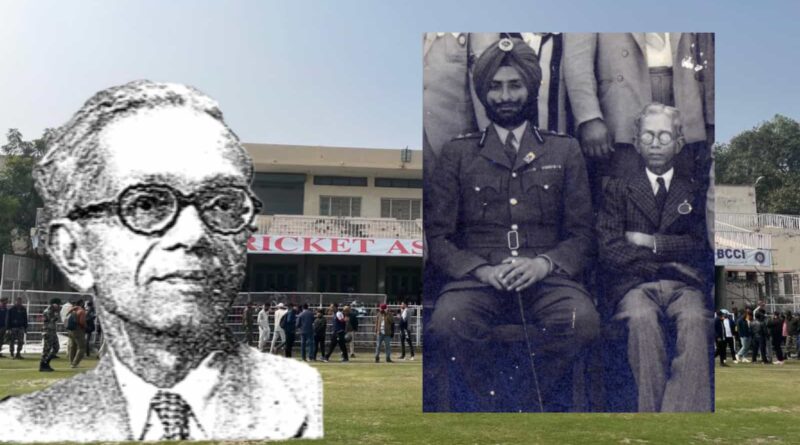
He stayed in America for nearly eight years and studied at five different Universities. He started as a student of Mathematics, Physics and Chemistry and then devoted years to the study of Biology, Psychology, Economics and Sociology. He had several times interrupted his studies in order to earn enough to carry on at his University for a term or two. He had worked as a farm labourer for ten hours a day, as a packer in a jam factory, as a mechanic in an iron concern, as a waiter in a restaurant. He had tried his hand as a salesman. When, therefore, he returned to India in 1929, it was not as a raw student looking forward to a comfortable life, but as one who had seen life at close quarters and was fully determined to devote himself to public life.  

Read More
Featured PostsHistorical ArchiveLeader

Democracy was believed to be a western idea by Maharaja of Banaras

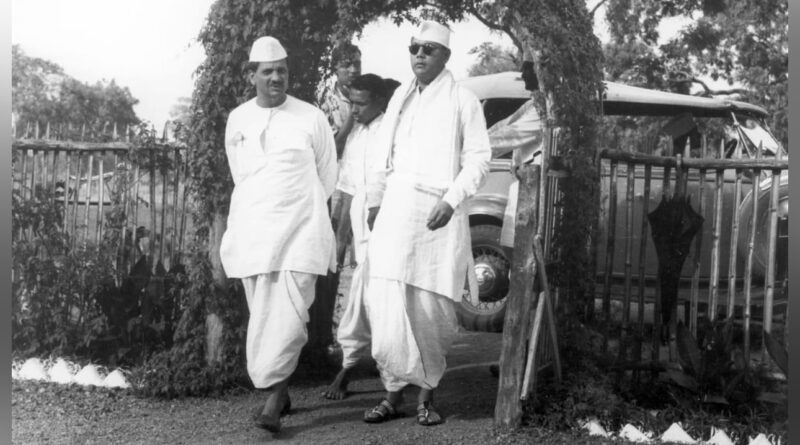
Democracy is an occidental idea. A Hindu cannot comprehend it as long as he is a Hindu. It is against his religious belief. The divisions of Varna are the basis of his religion. He cannot see without distress a Brahman or Kshtriya serving a Sudra. A Brahman may beg or even may die, yet he will never touch a dish from which a Sudra has partaken food.

Read More
Dil of DelhiFreedom MovementHistorical Archive

What did happen to the Mughals after Bahadur Shah Zafar?

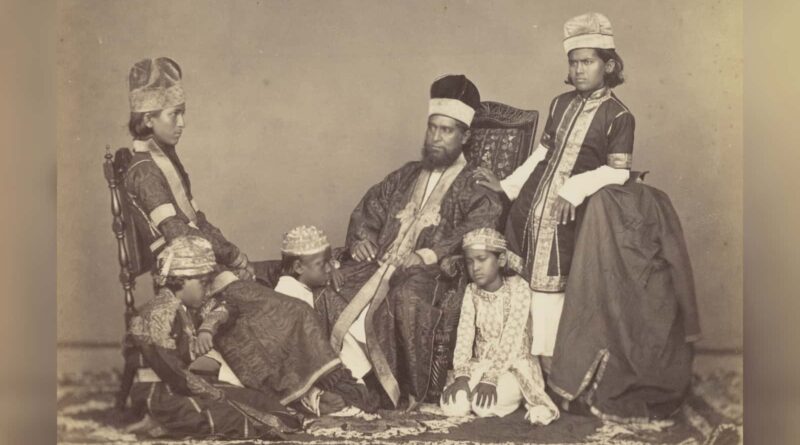
The photograph shows Mirza Ilahi Bakhsh, or Shahzada Muhammad Hideyat Afza, in 1862. This man was from the Royal house of Mughals who had helped the British in 1857 and played an instrumental role in the surrender of Bahadur Shah Zafar at Humayun’s Tomb. For his ‘services’, the British recognized him as the Chief Representative of the Royal Mughal Family in 1858. Mirza was also granted jagirs at Meerut and Delhi with a pension of Rupees 22,830 P.A.

Read More
Featured PostsHistorical ArchiveJournalist

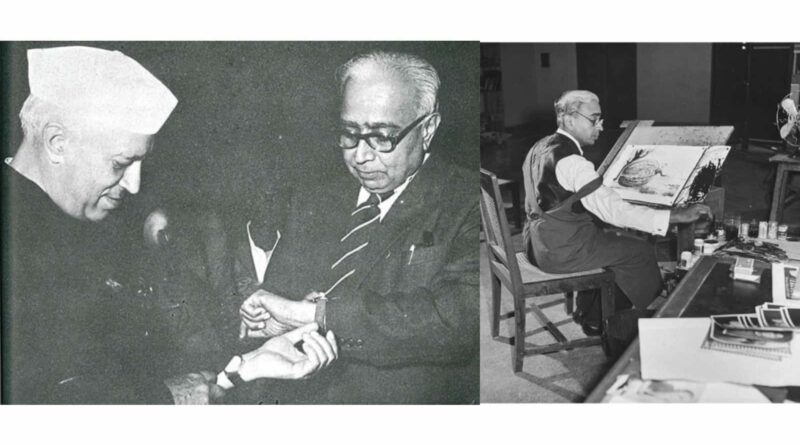
Nehru wrote this note in praise of the cartoonist Shankar in 1937

Kesava Shankar Pillai, considered to be the father of political cartoons in India, worked as a cartoonist for the Hindustan Times till 1946 before starting his own journal ‘Shankar’s Weekly’. Below is the text of a note written for the public by Jawaharlal Nehru (then the President of Congress) on 24 February 1937. Nehru had famously told him after becoming the Prime Minister, “Don’t Spare me, Shankar”.

Read More