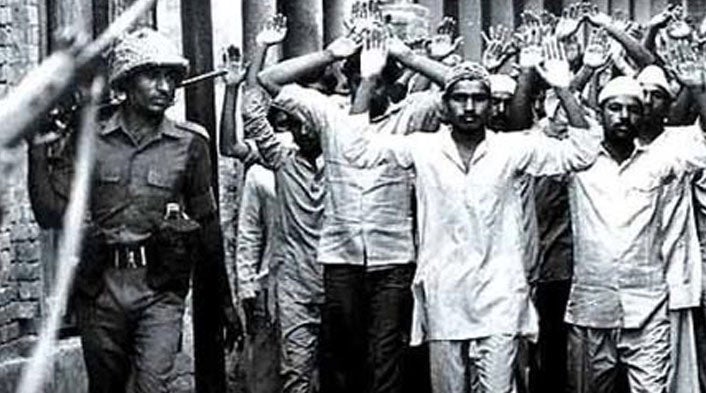
1987 : Twin Massacres of Muslims at Meerut and Maliana by the Police
(Following is an excerpt from the book, Rivers of Blood: A Comparative Study of Government Massacres, by Brenda Uekert.) In
Read More
Exploring lesser known History
(Following is an excerpt from the book, Rivers of Blood: A Comparative Study of Government Massacres, by Brenda Uekert.) In
Read More
(Following is the report by Reuters published in the newspapers across the world on 16th March, 1993) A Sikh militant
Read More
(Following is an excerpt from Professor Ghanshyam Shah’s ‘Communal Riots in Gujarat : Report of a Preliminary Investigation’ published in
Read More
On Rashid’s first day at school the other boys took down his trousers to see if he was circumcised and ever since no one has played with him . . . “you’re a Muslim”.
Read More
Dr. Abdul Bashir Khan, the proctor of AMU when it was attacked in October, 1961, led the teachers with Maurya outside AMU to form a public opinion against the government. The teachers themselves decided to contest 1962 general elections.
Read More
(Following is an excerpt from the autobiography of Shaukat Kaifi, wife of Kaifi Azmi. The autobiography, Yaad Ki Rahguzar, is originally written in Urdu. English translation is done by Nasreen Rehman.)
Read More
(Following is a letter written by Sajjad Zaheer to his family in Lucknow, as published by the Tribune (Sydney, NSW), 28 November, 1951. In this letter he quotes two couplets of Faiz Ahmad Faiz, who was also imprisoned with him. These two couplets are still quoted during the different protests in subcontinent.)
Read More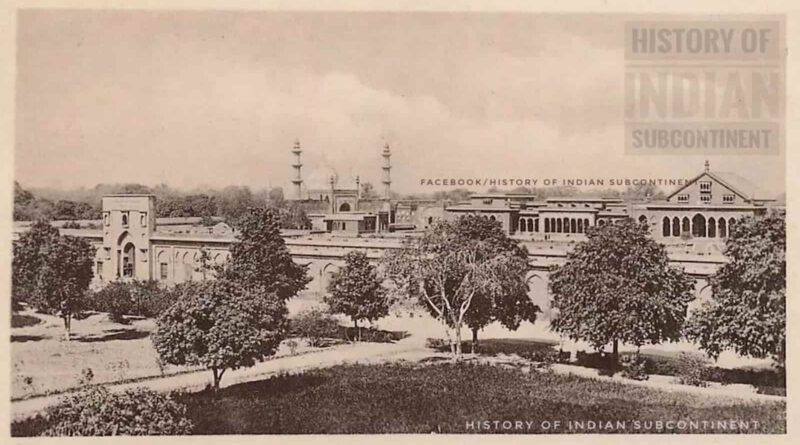
As Aligarh Muslim University (AMU) completes its hundred years of University status I share this poem with you.
How prophetic was the poet when he wrote:
Read More
In 1921, the British Government banned and confiscated a poem written by an unknown freedom fighter whose pen name was
Read More
During the First World War the British India Government had enacted a Defence of India Act, 1915 in order to
Read More
Following is the text of the statement submitted by Mahatma Gandhi while explaining his call of satyagraha against Rowlatt Act
Read More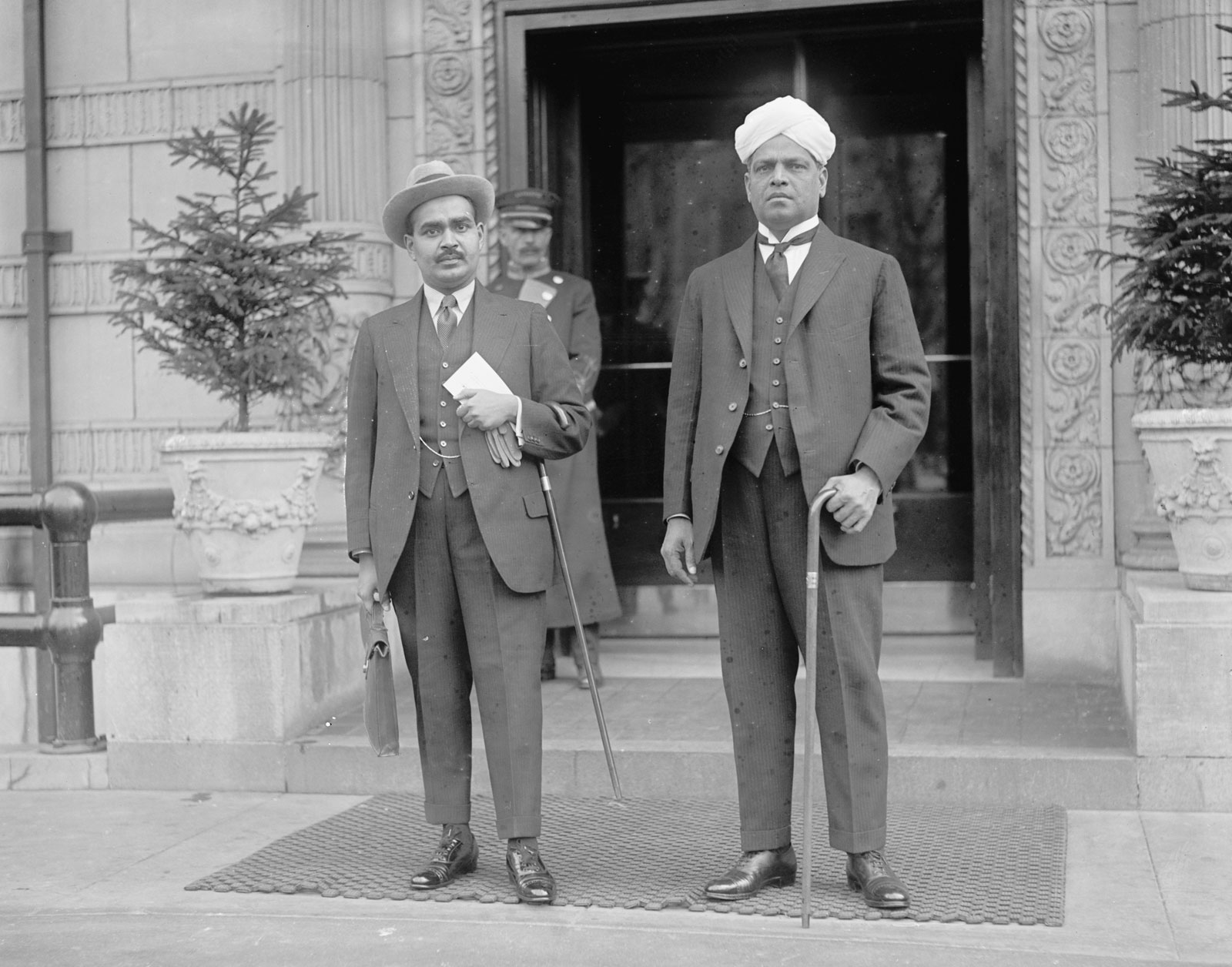
Following is the speech delivered by V.S Srinivasa Sastri on 7 February, 1919 before the Imperial Legislative Council as the Rowlatt Bill was introduced. He protested against the bill which was later passed and whole of India protested. Jallianwala Bagh massacre was carried out by the British when the Indians were protesting against the Black Act
Read More
Following is an English translation of an excerpt from Ram Prasad ‘Bismil’s’ jail diary. He writes about Ashfaqullah Khan.
Read More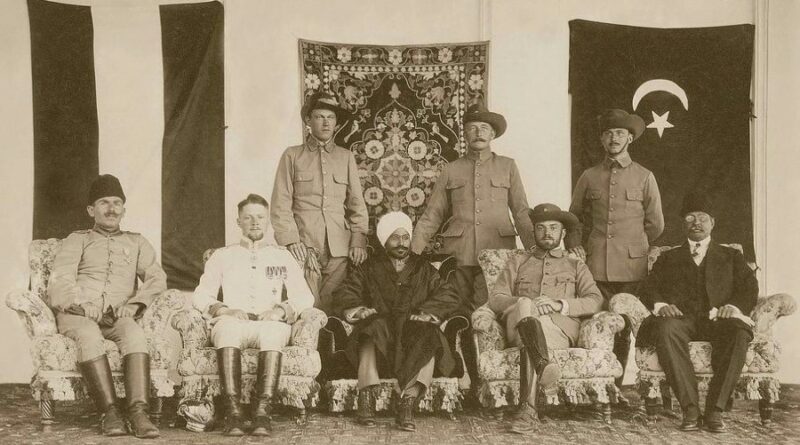
Following is an excerpt from, My Life Story of Fifty Five Years, an autobiography of Raja Mahendra Paratp. The book had been written in 1943 and was first published in 1947 from Japan. Here I am presenting his account of the formation of the Provisional Government of India.
Read More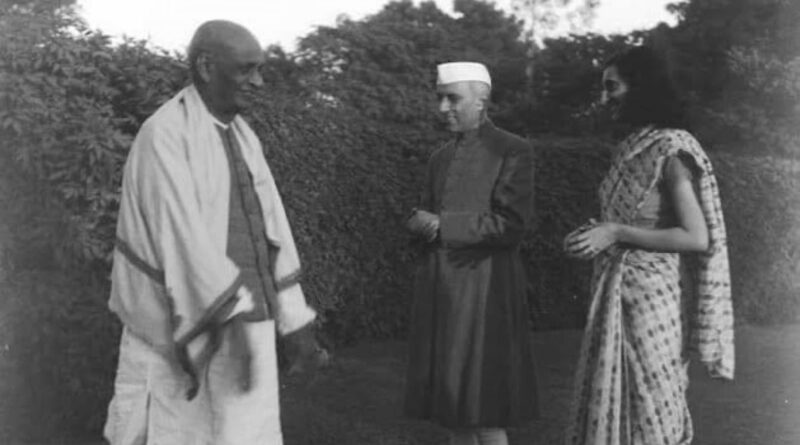
Sardar Patel resigned from his office of Home Minister and only after much persuasion from Jawaharlal Nehru he remained in the office. In this letter to Jawaharlal Nehru on 3 February, 1948 he took the responsibility, as the Home Minister, of failure in Gandhi’s security and reiterated his resignation
Read More
Following is the text of the speech made by Sardar Patel in front of a large gathering at Amritsar on 30 September, 1947. He appealed people to stop violence against the defenseless Muslims who were trying to crossover to Pakistan.
Read More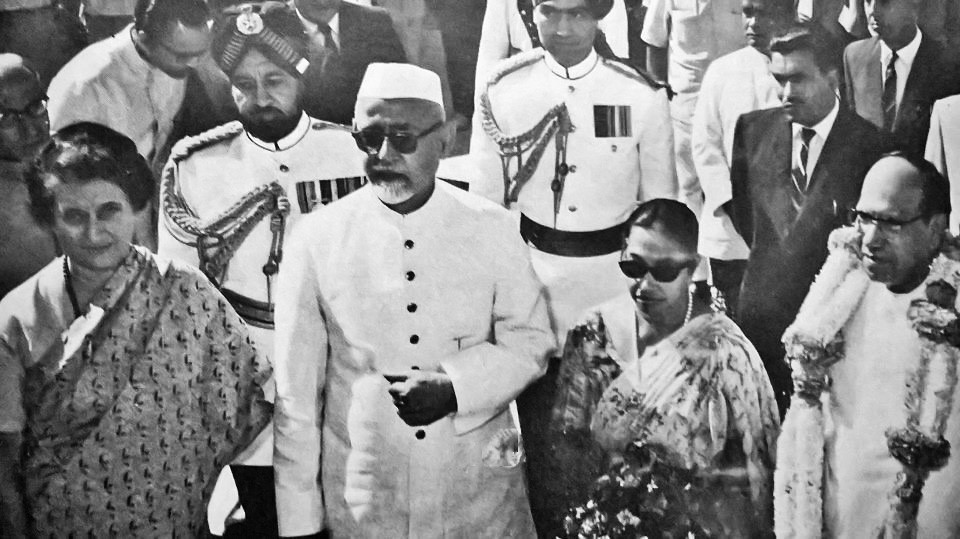
It is the message given by the then Prime Minister of India Indira Gandhi paying homage to Dr. Zakir Husain
Read More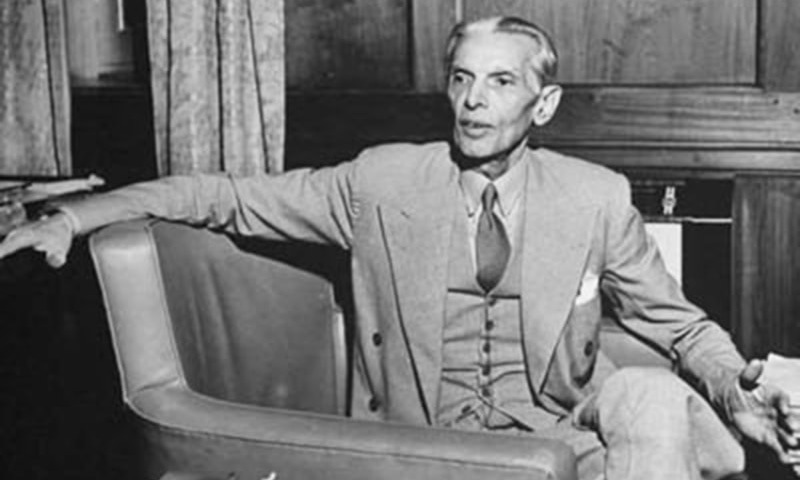
This is an excerpt from a Pen Portrait ‘Mohammad Ali Jinnah: An Ambassador of Unity’ written by Sarojini Naidu in November 1917
Read More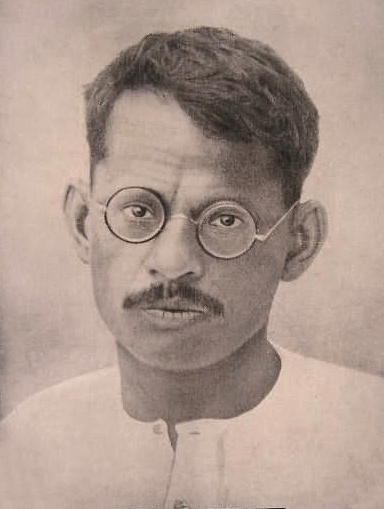
Iqbal Krishna Kapoor, who described the closing scenes, before the enquiry committee, confirmed that Ganesh Shankar Vidyarthi was thoroughly disgusted
Read More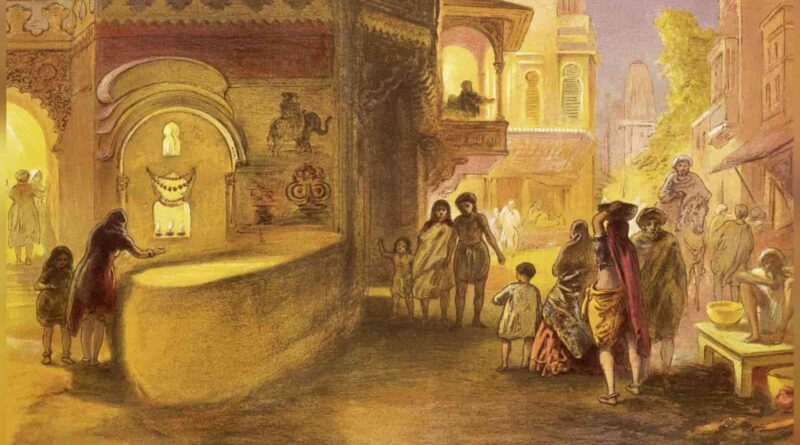
Following is the description of Diwali & Lakshmi Puja given by John Murdoch in his book ‘Hindu and Muhammadan Festival’, 1904. The compilation was to help Christian Missionaries to propagate the gospel among Hindu & Muslim women during the festivals since it was otherwise difficult to interact with women. The work-based itself upon a number of studies from the mid-nineteenth century.
Read More