
“To live like a TIGER for a day is far better than to live like a jackal for a hundred years.” – Tipu Sultan
‘To live like a TIGER for a day is far better than to live like a jackal for a hundred years.’ – Tipu Sultan
Read More
Exploring lesser known History
‘To live like a TIGER for a day is far better than to live like a jackal for a hundred years.’ – Tipu Sultan
Read More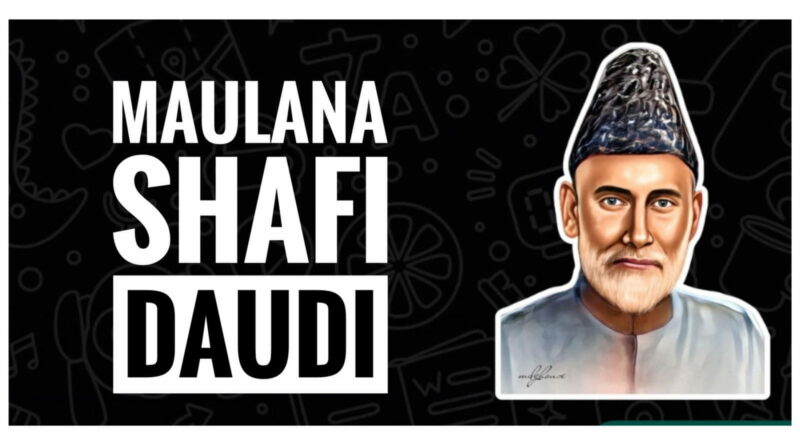
From founding the Muzaffarpur unit of the Congress to leading the Muslim Conference, Shafi Daudi was a prominent leader of the freedom struggle in Bihar.
Read More
Asfaqullah Khan was born on 22 Oct 1900 in a military background family in Shahjahanpur. He have a great influence on poetry and the bravery of Ram Prasad Bismil. When Bismil was declared absconder after the Manipuri conspiracy, Ashfaq was very keen to meet Bismil because of his poetic and revolutionary attitude.
Read More
Maulana Husain Ahmad Madani, who fought not only against the British for freedom but also against the separatists who wanted
Read More
Syed Mahmud was born in the village of Syedpur Bhitari, Ghazipur (UP). His father’s name was Mohammad Umar and his grandfather’s name was Qazi Farzand Ali. His ancestors had come to Bihar during the Lodis.
Read More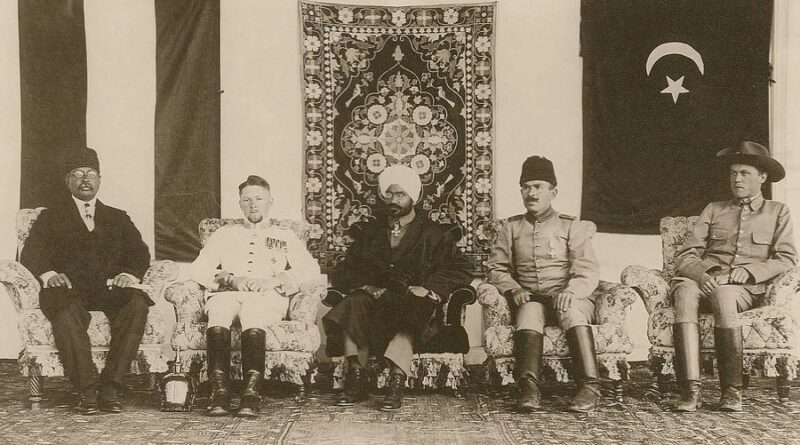
Barkatullah Bhopali (1854-1927) who dedicated his whole life to armed struggle for the liberation of his motherland from the clutches of the British, formed the ‘Government of India in Exile’ with Raja Mahendra Pratap, as its President and Barkathulla as the Prime Minister
Read More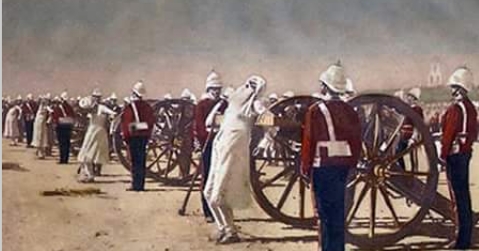
Maulvi Muhammad Baqir was the first Indian journalist to be executed by the British for spreading messages and news of Mutiny against the British.
Read More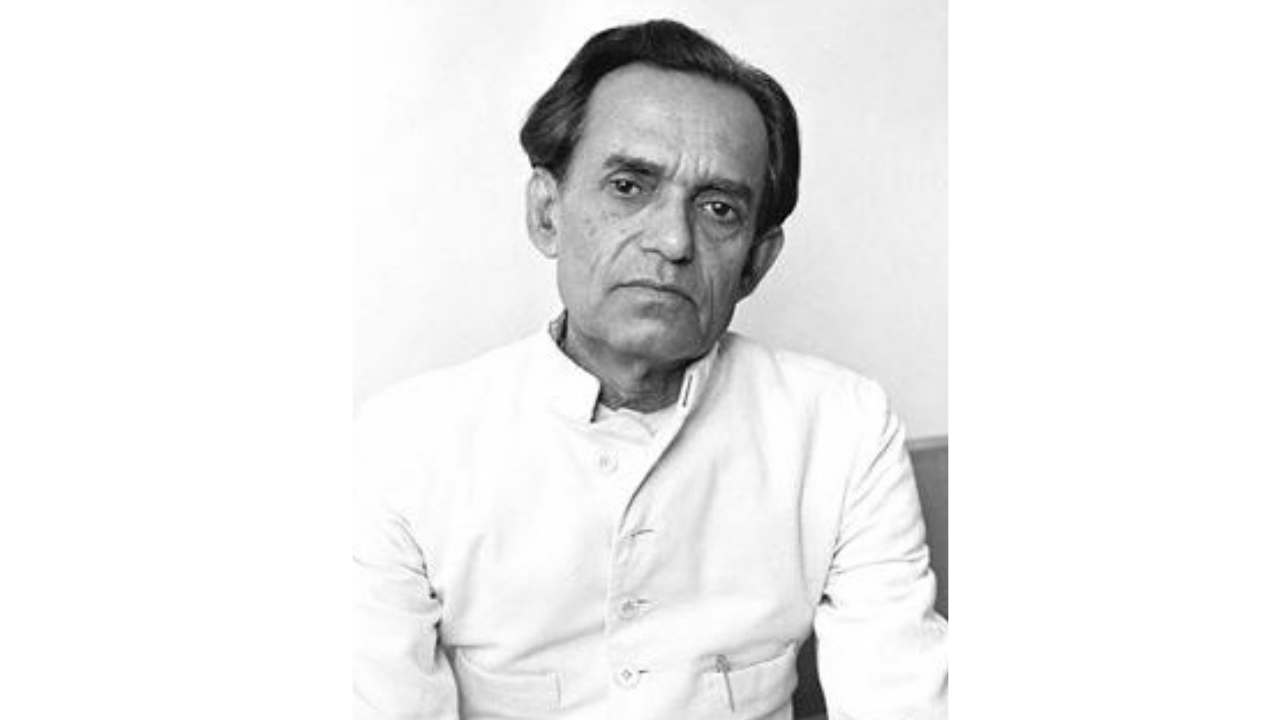
Abdul Gafoor, who worked for the harmony between Hindus and Muslims, which he believed was essential for the liberty
Read More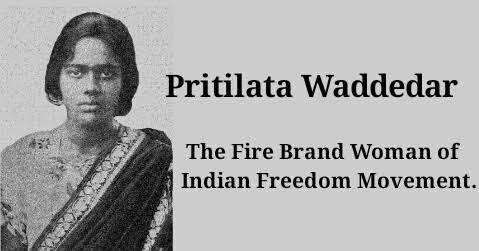
NG Banerjee Pritilata Waddedar (5 May 1911 – 23 September 1932) was a Bengali anti-British revolutionary from Chittagong, which is
Read More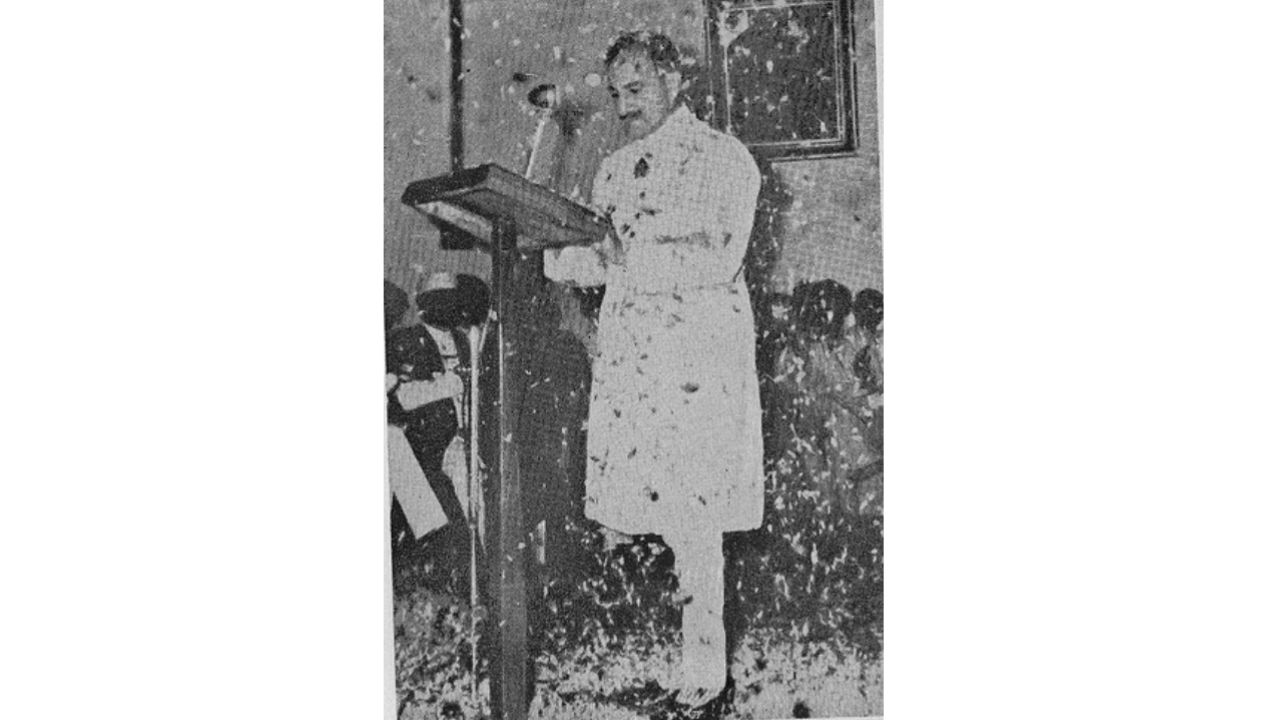
Naved Masood Independence and partition of India brought massive transfer of populations. Movements of refuges were on predictable, communal lines.
Read More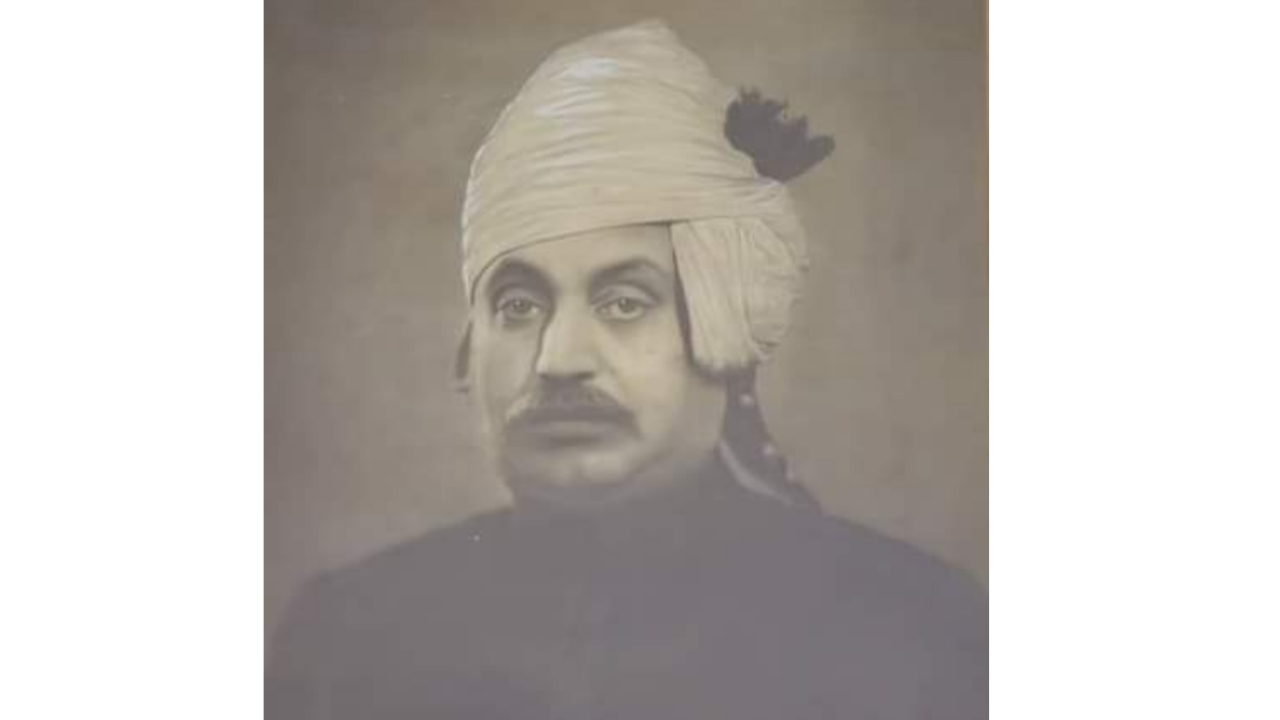
Mohammad Yunus : First Chief Minister of Bihar
Read More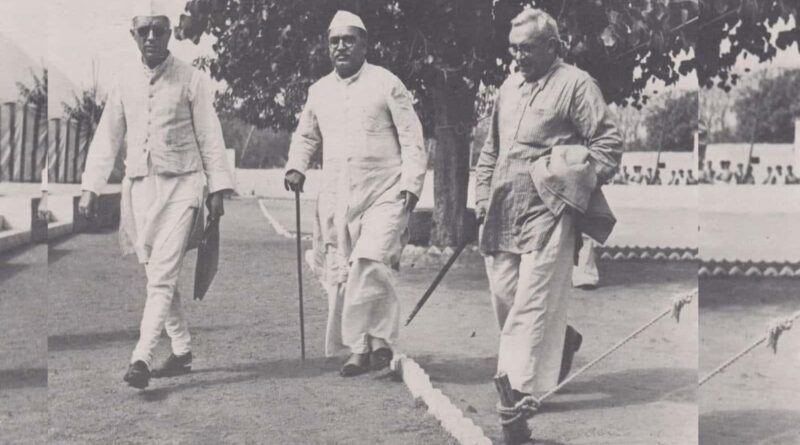
Rafi Ahmed Kidwai, who stood as an answer to the big question ‘Who was next to Nehru for the post of Prime Minister of India?’, was born to Imtiaz Ali Kidwai and Rashi-ul-Nisa, in Masouli village of Barabanki district of Uttar Pradesh on 18 February 1894.
Read More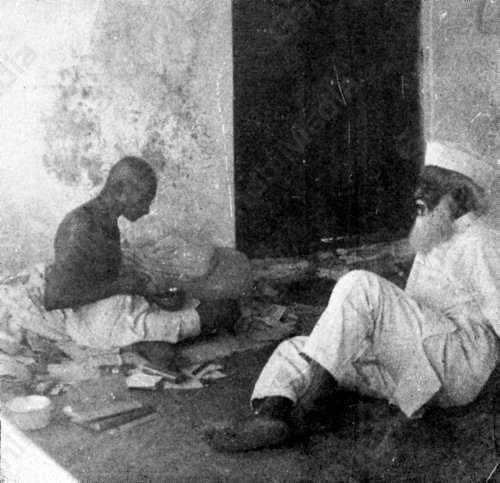
Under the leadership of Abbas Tyabji in Gujarat, Mahatma Gandhi successfully implemented several experiments in the national movement.
Read More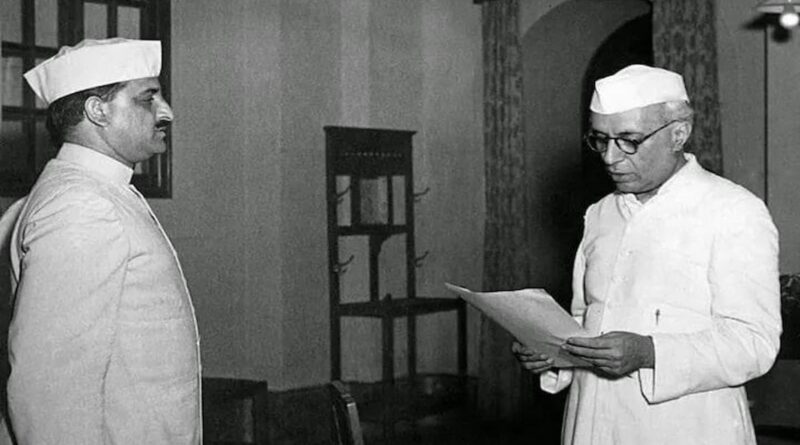
Major General Shah Nawaz Khan, who was one of the Generals in the Indian National Army (Azad Hind Fauj), was born on 24 January 1914 in Rawalpindi, Pakistan. His father Tikka Khan was a high-ranking official in the British Indian Army.
Read More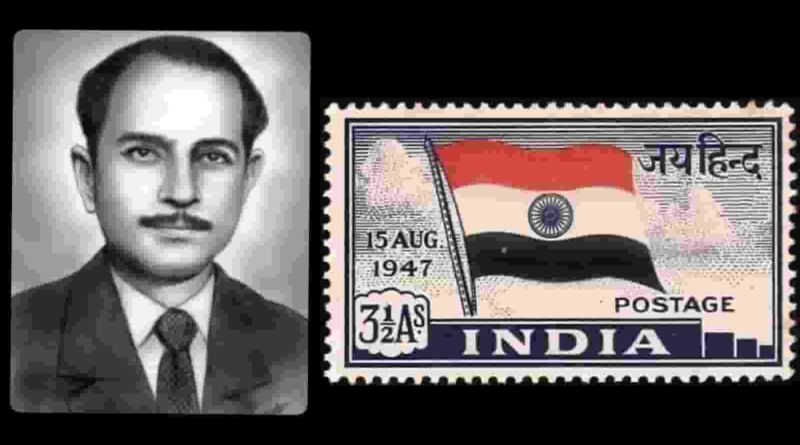
Abid Hasan Safrani: Meet Netaji Subhas Chandra Bose’s comrade, who coined the slogan ‘Jai Hind’
Read More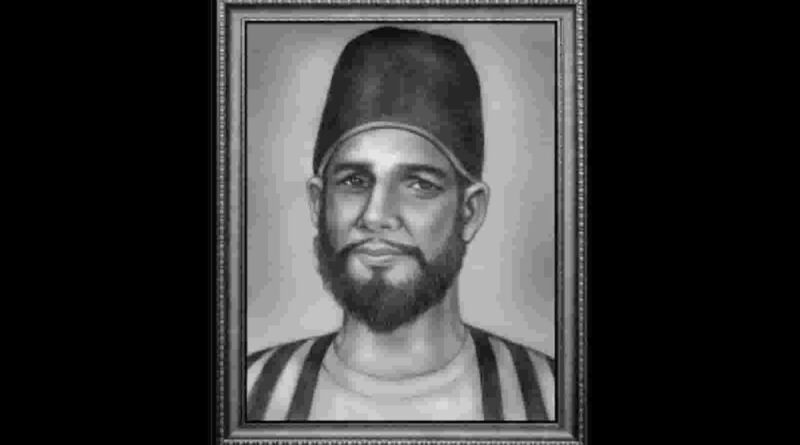
Syed Mir Nisar Ali was so courageous that he even informed the East India Company officials and police about his attacks in advance. His courageous approach attracted the poor towards him.
Read More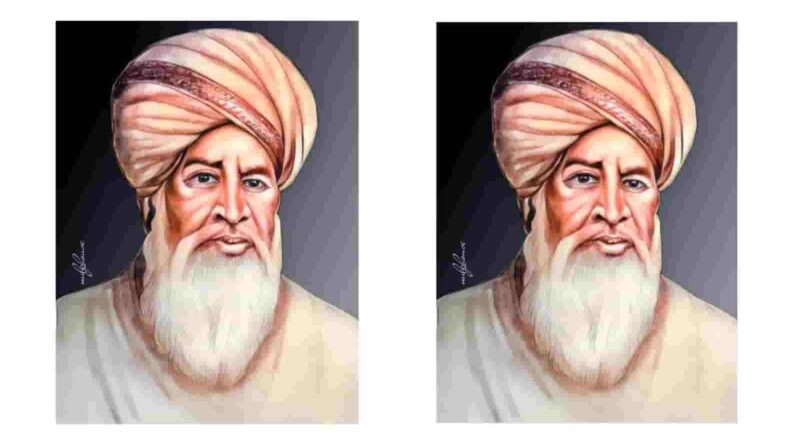
The Farazi movement was active for about half a century and later it continued to influence the freedom movement for another half a century. Haji Shariatullah, the guiding light of the Farazi movement, passed away in 1839.
Read More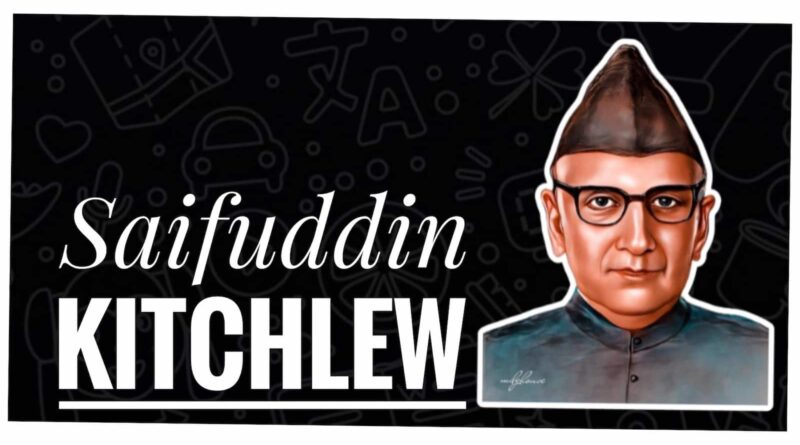
Dr. Saifuddin Kitchlew, hailed as the ‘Hero of Jallianwala Bagh’, was born on 15 January 1888 in Faridkot in Punjab state.
Read More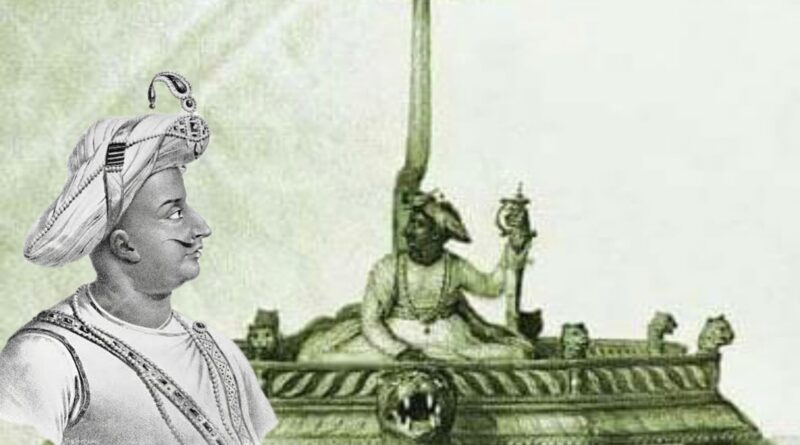
Tipu Sultan, the ‘Tiger of Mysore’, was a great visionary who exposed the expansionist designs of the British imperial forces and gave a clarion call to his fellow countrymen and native rulers to unite and fight against the East India Company.
Read More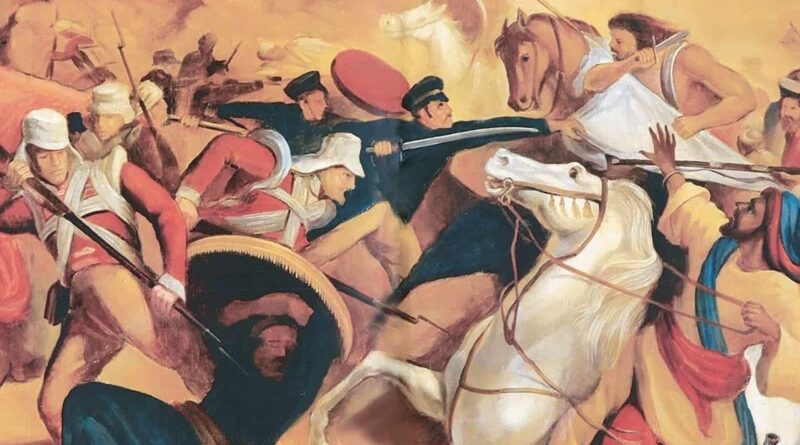
The Judge, Mr. Roe, sentenced all Ghadr revolutionaries to be hanged. Shaheed Faqeer Rahmat Ali was hanged in Montgomery Jail in March, 1915
Read More